Category Product
 Menu Website




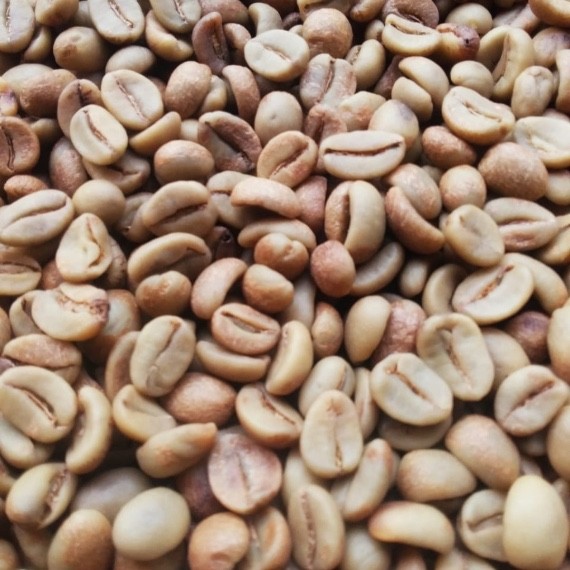
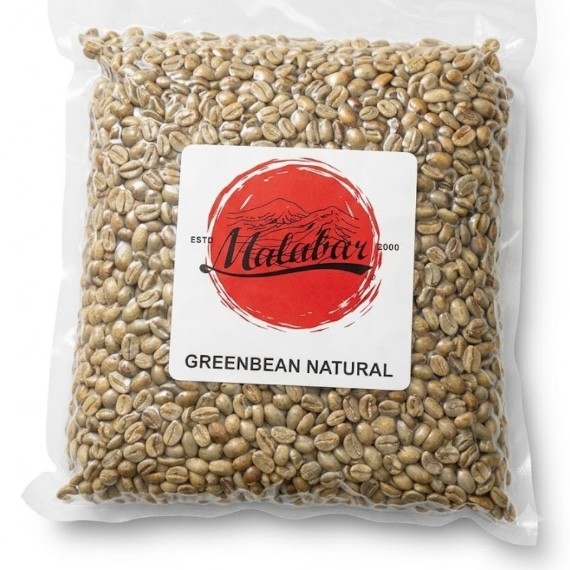
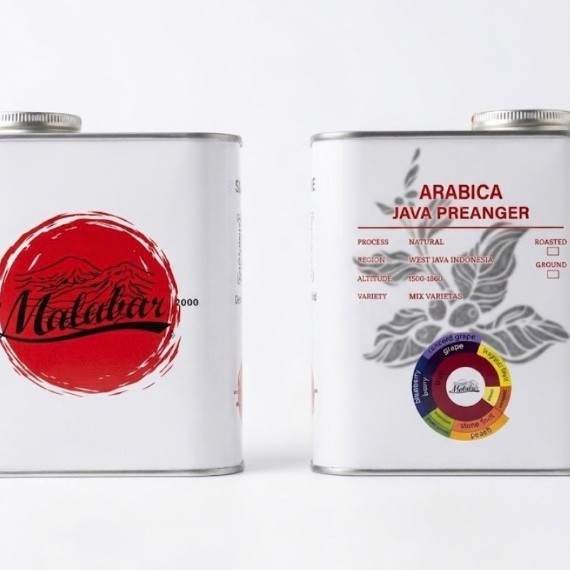
GB Malabar, Roasted Bean Malabar
Product Details
Malabar Natural Coffee Processing (often referred to as the Natural or Dry Process) is a popular post-harvest method for Arabica coffee beans from the Mount Malabar region in Pangalengan, West Java. This method is carried out using traditional dry processing techniques, where the coffee fruit is dried whole—retaining both the skin and the pulp. This process allows the natural sugars and aromatic compounds from the fruit (coffee cherry) to gradually permeate the coffee bean during drying. Stages of the Malabar Natural Processing Method: Selective Picking (Optimal Ripeness)—Malabar Arabica coffee cherries are hand-picked at peak ripeness (fully red) to ensure maximum sugar content (Brix levels). Coffee Cherry Sorting (Floating)—The cherries are submerged in water to separate high-quality cherries (which sink) from defective, rotten, or empty ones (which float). The coffee cherries that sink are selected for the subsequent stages. Fermentation & Drying: Whole coffee cherries are spread out on raised beds (drying tables elevated off the ground to ensure good air circulation) or drying trays inside a greenhouse. Duration: Takes approximately 2 to 4 weeks, depending on weather conditions in the Malabar highlands. Maintenance: The coffee is turned periodically throughout the day to ensure even drying and to prevent mold or spoilage. Hulling: Once the moisture content reaches approximately 11%–12%, the dried cherries—now dark brown to blackish in color—are fed into a hulling machine to separate the outer skin, dried pulp, and parchment layer from the coffee seeds (green beans). Green Bean Sorting: The beans are sorted by size (grading) and cleared of defects (such as broken, insect-damaged, or discolored beans). Resting: The green beans are stored in specialized bags (e.g., GrainPro) in a climate-controlled warehouse to stabilize moisture levels and flavor before roasting. Characteristics & Flavor Profile of Malabar Natural Coffee: The natural process significantly influences the flavor profile of Malabar Arabica coffee: Sweetness & Body: Exhibits high sweetness and a more robust/bold body compared to the fully washed method. Aroma & Flavor Profile: Dominated by fruity notes—such as berries, jackfruit, and raisins—along with hints of spice and chocolate undertones. Acidity: The acidity is perceived as softer, sweeter, and refreshing (sweet, bright acidity).
| Main Composition / Ingredients | : | Arabica Coffee |
| Product Size / Net Weight | : | 1 Kg |
| Packaging Type | : | Vacum Bag |
| Shelf Life | : | 3 Year |
| Production Capacity per Year | : | 80 Ton |
| MOQ | : | 1 Kg |
| Product Price in USD (FOB) | : | 15 |
| Certifications | : | PIRT, Halal |
| Featured Variety | : | Arabica Malabar |
| Origin | : | Pangalengan |
| Altitude | : | 1500-1800 mdpl |
| Cupping Score | : | 85 |
| Coffee Product Type | : | Green Bean, Roasted Bean, Ground Coffee, Drip Bag, Ready to Drink |
| Coffee Bean Type | : | Arabica, Blend |
| Post-Harvest Process | : | Full Washed, Natural, Honey, Semi-Washed, Wine Process |
| Grade | : | Commercial, Specialty |
| Crop/Harvest Period (in month) | : | April |